

November 27, 2026
The Curious consequences of an Autism Diagnosis and Green fingers!
Some of my most powerful lessons about supported accommodation, employment, and human potential has come from lived experiences. This is one of those stories. To protect his identity, I’ll call him Zoro.
Meeting Zoro : I first met Zoro around 2010. He had experienced street homelessness after coming to the UK through an arranged marriage that quickly ended in divorce. With no support network, he drifted to London and eventually found his way to us.
Zoro stood out immediately. He had a childlike warmth, a gentle manner, and a genuine desire to please. Unfortunately, those same traits made him a target. Other residents labelled him “simple-minded,” and bullying followed. Intervening decisively. I moved him to accommodation attached to my office sending the message: Zoro had protection, and bullying would not be tolerated.
That was the turning point. Zoro bloomed. With stability, his personality shone through. He could follow instructions meticulously, took pride in completing tasks, and thrived on routine. Retail felt like a good employment area for him. Within months, Zoro secured a part-time role, which soon became full-time employment with TK Maxx. Eventually, he moved on from our service—confident, hopeful, and economically active.
Years later, while shopping for shoes at Clarks in Westfield, I heard my name called. There stood Zoro—well dressed, confident, and smiling. He was now a store supervisor in one of the busiest Clarks branches in London. I brimmed with pride.
Fast forward to 2023. One of my staff approached me saying, “There’s a Mr Zoro at reception. He insists he knows you and refuses to leave until he sees you.”
This Zoro was different! He was a broken man. Formally diagnosed with depression, the sparkle in his eyes had been replaced by exhaustion and defeat. Over the next few months, with stability and support, his smile returned. His confidence grew.
He told us about the years in between: he had worked as a security guard and had even been recognised by the Queen for his service. But rising interest rates led to higher rent. He couldn’t afford his home anymore. Consequently, he lost his accommodation—and soon after, his job.
After more than two weeks on the street, he remembered us.
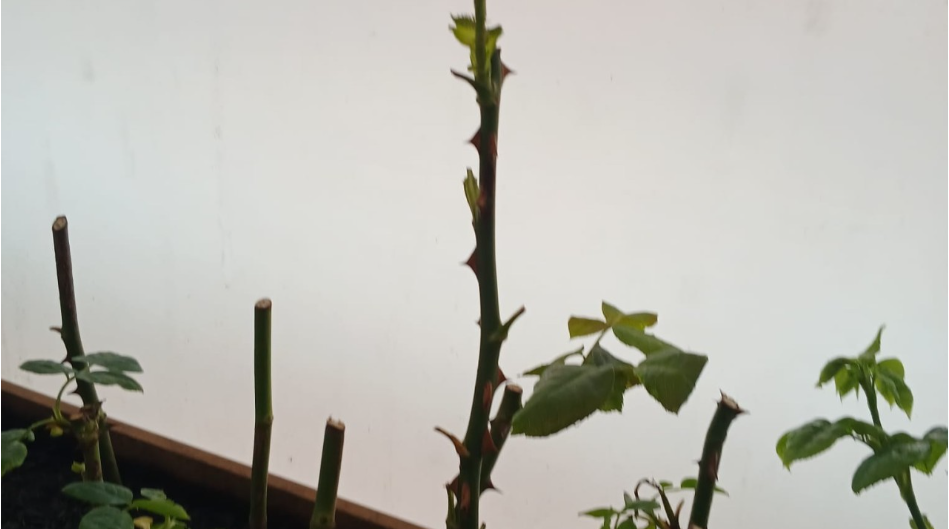
Green Fingers and Gentle Progress : We started small. Gardening became my “carrot.” Zoro discovered—much to both of our surprise—that he had green fingers. Plants appeared everywhere. A honeysuckle climber eventually obscured the view from my office window entirely. I decided I preferred a happy Zoro to an unobstructed view.
Slowly, we began conversations about returning to work. He was fearful—it showed in his eyes. But we reminded him: we are a temporary accommodation provider, not a final destination. This was a place to rest, reset, and rejoin the world of work. He was only in his mid-forties.
The power of a Diagnosis: Then everything changed. Through another agency, Zoro received a formal diagnosis of autism, alongside his existing diagnosis of depression. Overnight, his outlook shifted.
He began to wear both diagnoses as badges of honor. Employment, in his mind, was no longer an aspiration but a threat. He became convinced that pushing him toward work was misguided and out right cruel! He believed his diagnoses entitled him to permanent housing and a life supported entirely by benefits.
My staff were reduced to tears trying to engage him differently. When I sat with Zoro, I could see the depth of his conviction. He was beyond persuasion. I had to weigh the cost of continuing to challenge his beliefs versus allowing him to live within them. The latter cost less—to him, and to us.
Eventually, I personally completed Zoro’s application for a long-term supported housing project—his “forever home,” fully funded by the state. And yet, the moral question remains.
We are a country with over £170 billion committed annually to adult benefits in working age. Zoro now represents a very small, permanent fraction of that figure. I felt shame in contributing to our National crisis. For me the age of 'Maximizing a client's entitlement of Benefits' is long gone. The Goal for me is the reverse - Reduce Benefit claims and increase economic activity.
What troubles me is not the diagnosis itself—but how it was framed. I am dyslexic. When I finally understood why I could not spell and words sometimes looked like jumbled puzzles, it brought relief. I used that understanding to build coping mechanisms - It brought liberation.
With Zoro, the option of “supporting someone to work despite limitations” was missed. For nearly 15 years, he thrived in employment. Retail suited him. Structure suited him. Purpose suited him. He had pride in his employment journey. It wasn’t autism that ended his working life. It was housing insecurity—and then a diagnosis that became a destination rather than a tool for support.
A Setback, Not a Surrender As someone who leads a team committed to helping people climb back onto the social and employment ladders, this experience at the time felt like a failure —A failure from which I intend to learn.
A diagnosis should never be a full stop. ‘Hope’ must be protected - With the right support, many people can continue to work, contribute, and live with purpose.
That is the question we must keep asking is “What support would make work possible?”
Written by Christina George Isaac
Chief Executive Officer, Just Homes Charity
More Updates


A Bitterly Cold Day, an Empty Room, and a shocking realization of the Power of Dreams!


"Is not this the fast that I choose: to loose the bonds of injustice, to undo the thongs of the yoke, to let the oppressed go free, and to break every yoke? Is it not to share your bread with the hungry, and bring the homeless poor into your house; when you see the naked, to cover them, and not to hide yourself from your own kin?" Isaiah 58 6-7